
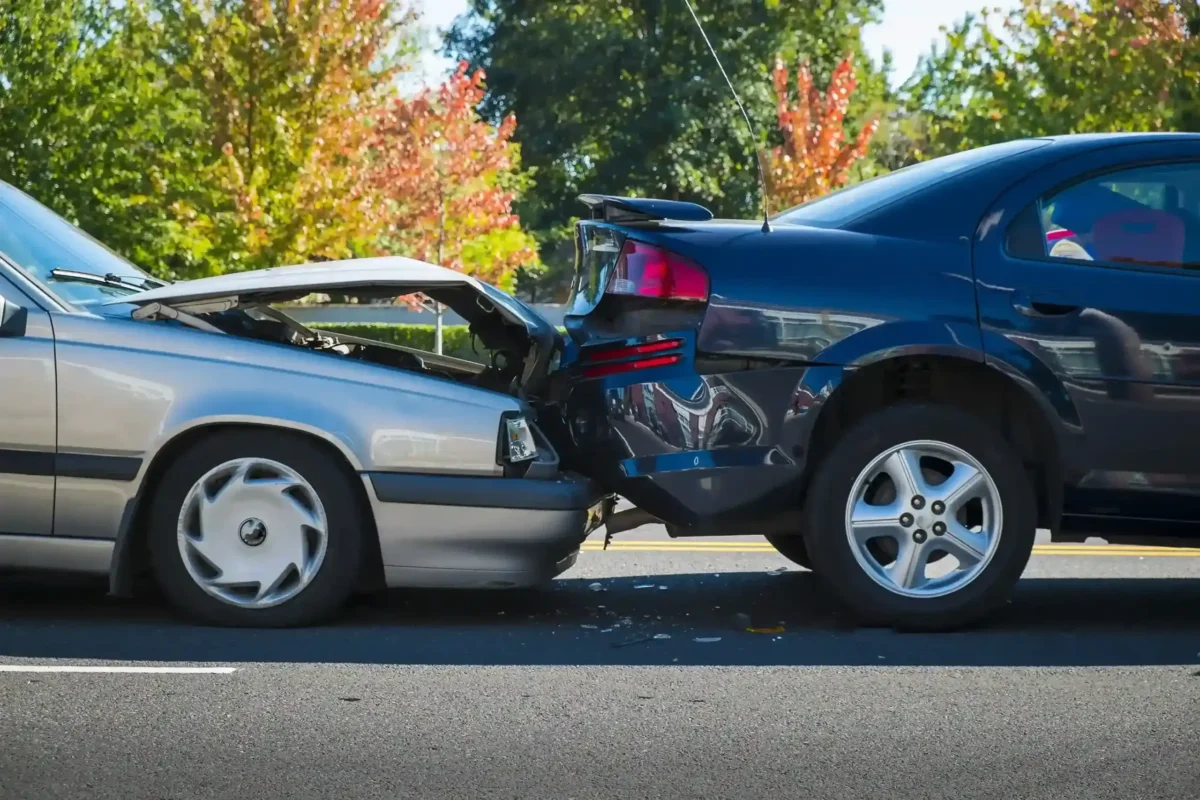
A car accident can leave you overwhelmed and uncertain about your next steps. Knowing what to do after a car accident is essential to protecting your rights, health, and financial well-being.
At Merrick Brock PLLC, we have decades of experience assisting car accident victims in Virginia. We are committed to guiding clients through the complexities of the aftermath and fighting for the compensation they deserve.
If you’re unsure about your next steps, this guide will provide a comprehensive overview of what to do after a car accident and how we can help.
How a Richmond Car Accident Attorney at Merrick Brock PLLC Can Help You
At Merrick Brock PLLC, we have years of experience helping car accident victims across Virginia. We understand the physical, emotional, and financial toll these accidents can take, and we’re here to guide you through every step of the process.
Our team offers personalized attention, treating every case as unique. We’ll investigate the details of your accident, negotiate with insurers, and advocate for your best interests in court if necessary.
With a proven track record of success and a client-centered approach, you can trust us to fight for the compensation you deserve.
Speak with a knowledgable car accident lawyer in Richmond today.
Right after a crash, everything feels chaotic—your heart’s racing, questions flood your mind, and nothing feels certain. With the right steps and support, you can move from confusion to clarity and start putting the pieces back together, one at a time.
What to Do After a Minor Car Accident in Richmond?
Even minor accidents require careful handling to avoid long-term issues. After a minor car accident, follow the same essential steps: ensure safety, seek medical attention, document the scene, report the incident to your insurer, and seek the counsel of an attorney.
In addition, have your vehicle inspected by a professional, even if the damage appears minimal. Minor issues can lead to costly repairs later or affect your car’s resale value.
What to Do After a Car Accident in Richmond, Virginia
It’s important to know what to do after a car accident. Virginia residents should keep the following in mind in case they ever find themselves in this unfortunate situation.
1. Ensure Safety First
Your safety and the safety of others involved should be your top priority after a car accident. Acting quickly and responsibly can prevent further harm.
If possible, move your vehicle from the traffic lane to a safe location, such as the road’s shoulder, and turn on your hazard lights to alert other drivers. Next, check yourself, your passengers, and others involved for injuries.
Even if no injuries are apparent, call 911 so emergency responders can assess the situation and provide medical care. A police report is also essential for insurance claims and potential legal action.
If the accident involves serious injuries, it’s crucial not to move anyone unless there is an immediate danger. Waiting for trained medical professionals ensures you don’t accidentally make an injury worse.
2. Contact the police
Call the police to report the accident, especially if there are any injuries, significant property damage, or if the other driver is uncooperative. Make sure to tell the officer if you are experiencing any symptoms at all so that it is properly reflected in the police report.
3. Seek Medical Attention Immediately
Even if you feel fine after an accident, know that some injuries may not immediately present symptoms. Conditions like whiplash, internal bleeding, or concussions often develop hours or even days later.
Promptly seeking medical attention ensures that any injuries are diagnosed and treated before they worsen.
Call an ambulance or visit the nearest hospital if your injuries require emergency care. Schedule a follow-up appointment with your doctor as soon as possible and continue to monitor for symptoms.
Keep records of all medical visits, treatments, and prescriptions, as these documents will be critical for your insurance claim or personal injury case.
Failing to seek medical attention promptly can hurt a future claim for compensation. Insurance companies may argue that delayed care indicates that your injuries were minor or unrelated to the accident.
4. Document the Scene
Accurate documentation is critical to protecting your rights and strengthening your case. Start by taking photos of the vehicles involved, including their positions on the road, visible damage, skid marks, road signs, and traffic signals. These images can provide valuable evidence if liability is disputed later.
Be sure to exchange contact and insurance information with the other driver. Obtain their name, address, phone number, driver’s license number, and insurance policy details.
If witnesses are at the scene, ask for their contact information, as their statements can support your account of the incident.
Once the police arrive, ensure they document the scene thoroughly. Take note of the responding officer’s name, badge number, and report number so you can request a copy later.
5. Notify Your Insurance Company
You should report car accidents to your insurance companies promptly. However, it’s essential to exercise caution when discussing the details of the incident.
When you speak with your insurance company, stick to the basic facts, such as the accident’s date, time, and location. Avoid making statements about fault.
Be wary of accepting a quick settlement offer. Insurance companies may try to minimize insurance payouts by making low compensation offers. Before agreeing to any settlement, consult an experienced car accident attorney to ensure the offer is fair.
6. Hire a Car Accident Attorney
Navigating the aftermath of a car accident can be challenging, especially when dealing with injuries, insurance companies, and complex legal rules. An experienced attorney can make a significant difference in the outcome of your case.
A car accident attorney will thoroughly investigate the incident, gathering evidence like photos, witness statements, and expert opinions to build a strong case.
They’ll handle negotiations with insurance companies to ensure you receive fair compensation for medical bills, lost wages, and other damages. They can also represent you in court to fight for your rights if necessary.
An experienced lawyer will also comply with all deadlines. You only have two years from the accident date to file a car accident claim. Failure to file by the deadline generally precludes any financial recovery.
After a Car Accident in Richmond, VA: Where Your Car Gets Towed & How to Find It
After a car accident in Richmond, Virginia, your vehicle is typically towed to a police-authorized towing company or a private tow yard depending on where the crash happened, whether law enforcement responded, and whether the car was creating a safety hazard.
In most cases, drivers are not told in the moment exactly where the vehicle is going—so knowing how to locate it quickly is important.
1. Police-Directed Tow (Most Common in Serious Accidents)
If Richmond Police respond to the scene and the car cannot be driven, they will usually call a rotating list of approved tow companies.
Your vehicle is typically taken to:
- A private impound lot used by the assigned tow company
- A secured storage yard (not a city impound facility in most cases)
The tow company is required to document:
- Vehicle location
- Tow receipt number
- Storage address and fees
2. Private Tow (If You Called a Tow Truck Yourself)
If your car was drivable or you were not transported by EMS, you may have arranged your own towing.
In that case, your vehicle usually goes to:
- The tow company’s private storage yard
- A repair shop of your choice (if requested at the time of towing)
3. Towed From Private Property or Parking Lots
If the crash happened in a parking lot or private property (store, apartment complex, etc.), the property owner may have called a private towing company.
Your vehicle will likely be at:
- A contracted towing company’s impound lot
- A nearby secured storage facility
How to Find Out Where Your Car Was Towed in Richmond
If you’re unsure where your vehicle was taken, here are the most effective ways to locate it quickly:
1. Call the Richmond Police Department (Non-Emergency Line)
If police responded to your accident, they can tell you:
- Which towing company removed your vehicle
- The tow report number
- The storage yard location
This is usually the fastest way to get accurate information.
2. Contact Local Tow Companies
If you did not receive information from police, your vehicle may still be logged with a local rotation tow provider.
You can call nearby Richmond towing companies and provide:
- Your name
- Vehicle make/model
- Accident location and time
They can often confirm if your car is in their yard.
3. Check with Your Insurance Company
If your insurance carrier arranged the tow, they should have:
- Tow company name
- Vehicle storage location
- Claim reference number
Many insurers handle towing directly after accident claims are opened.
4. Look for Paperwork Left at the Scene
Tow drivers are required to leave documentation when possible, which may include:
- Tow slip or receipt
- Storage yard address
- Contact phone number
If your vehicle was towed, this is often left at the scene or provided to police.
Engage a Knowledgeable Richmond Car Accident Attorney to Fight For Your Rights
If you or a loved one has been in a car accident in Virginia, contact Merrick Brock today. We know that life after a car accident can feel chaotic, but you don’t have to face it alone. Our dedicated team fights relentlessly to protect your rights.
Don’t settle for less than what you deserve—let us handle the legal complexities while you focus on recovery. Contact us today for a free consultation and discover the difference a trusted advocate can make.
FAQs — What to Do After a Car Accident in Richmond
No. You should never admit fault at the scene or in conversations with insurance companies. Even a simple apology can be used against you later. A Richmond car accident attorney can evaluate the facts and determine liability based on evidence—not assumptions made at the scene.
You should exchange name, contact details, driver’s license number, insurance information, and vehicle details. A Richmond personal injury lawyer may later use this information to support your claim and identify all responsible parties.
A police report provides an official record of the accident, including witness statements, road conditions, and initial fault assessments. A Richmond car crash attorney often relies on this document when building a strong personal injury case.
Yes. Many injuries—like whiplash or soft tissue damage—don’t appear immediately. A Richmond personal injury lawyer can help evaluate delayed symptoms and ensure your claim reflects the full extent of your injuries.
Avoid speculating about fault, downplaying injuries, or giving recorded statements without legal advice. Insurance companies often look for ways to reduce payouts, which is why many victims speak with a Richmond personal injury attorney first.
Yes. Some injuries develop hours or days later. A Richmond injury lawyer will often emphasize early medical documentation because it directly impacts the strength of your claim.
It’s best to contact a Richmond car accident lawyer as soon as possible. Early involvement helps preserve evidence, protect your rights, and prevent mistakes when dealing with insurance companies.
Photos of the scene, vehicle damage, medical records, witness statements, and the police report all strengthen your case. A Richmond personal injury attorney may also use expert analysis or accident reconstruction when needed.
You can, but it’s risky. Insurance companies often undervalue claims. A Richmond personal injury lawyer helps ensure you are not pressured into accepting less than your case is worth.
You may still recover compensation through your uninsured motorist coverage. A Richmond car accident attorney can help file and negotiate these claims to ensure you are not left paying out of pocket.