
A car accident at an intersection can leave both drivers telling different stories. One person may say they had the green light.
Another may insist the other driver ran a red light, failed to yield, or turned without warning. When accounts conflict, intersection camera footage can become one of the most important pieces of evidence available.
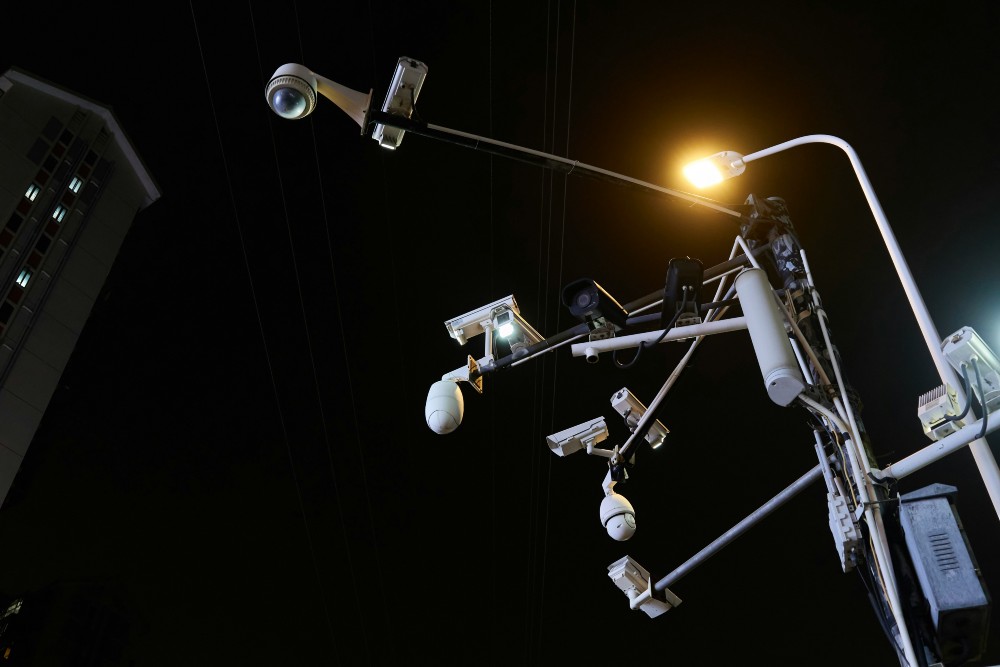
Unfortunately, obtaining video after a Richmond vehicle crash is not always as simple as asking for a copy. Some cameras provide live traffic views but do not record footage.
Other recordings may be controlled by public agencies, nearby businesses, private property owners, or third-party camera archive services. Knowing where to look and acting quickly can improve the chances of finding useful evidence.
How Can You Access Traffic Camera Footage After a Richmond Accident?
The answer depends on who controls the camera and whether the footage was recorded and preserved.
In most situations, obtaining intersection camera footage involves four steps:
- Identifying cameras near the crash scene,
- Determining who owns or operates those cameras,
- Requesting available recordings, and
- Acting before footage is deleted or overwritten.
Not every camera stores video, and not every recording is available to the public. However, taking these steps promptly may increase the likelihood of locating evidence that helps explain what happened.
Who Should You Contact in Richmond About the Footage?
One of the first challenges is determining who controls the camera.
Depending on the location, footage may be maintained by:
- The Virginia Department of Transportation (VDOT),
- The City of Richmond,
- Local law enforcement agencies,
- Nearby businesses,
- Property management companies, or
- Private camera operators.
For example, a camera positioned near Interstate 95 may be operated by someone very different from the operator of the camera outside a retail center or office building. Identifying the correct owner is often the first step toward obtaining video.
Do Richmond Intersection Cameras Actually Record Accidents?
Many people assume that all Richmond intersection cameras record and save video. In reality, that is not always the case.
Some cameras are designed primarily to monitor traffic conditions and provide live roadway information. Others may store recordings for a limited period. Certain cameras may not preserve footage at all.
Although many people assume these devices operate the same way, recording and retention practices often differ depending on the agency or entity responsible for the equipment.
How Do You Request Richmond Traffic Camera Footage?
If a public agency controls the recording, you may be able to request records through the Virginia Freedom of Information Act.
A request is generally more effective when it includes specific details such as:
- The date of the collision,
- The approximate time,
- The location of the intersection,
- The direction of travel,
- The type of footage being requested, and
- Your contact information.
Providing detailed information can help the agency identify whether responsive records exist. Broad or vague requests may create delays or make locating footage more difficult.
Why Should You Move Quickly?
Time is often one of the most important factors when searching for video evidence.
Many systems automatically overwrite recordings after a certain period. Businesses may routinely delete footage to free storage space. In some cases, recordings may only be retained for days rather than weeks.
Taking action soon after a collision can help improve the likelihood that video will still be available. Waiting too long may result in the permanent loss of potentially valuable evidence.
Can You Ask Someone to Preserve the Video After a Richmond Car Accident?
Yes. In some situations, it may be possible to send a preservation request to the person or organization controlling the footage, asking them to save it before it is deleted.
A preservation request typically includes:
- The date of the crash,
- The relevant time period,
- The location involved,
- The camera or property in question, and
- The incident being investigated.
Submitting a written request may help establish that efforts were made to preserve evidence before routine deletion occurred.
Can You Obtain the Richmond Camera Footage Yourself?
In some situations, yes. If a private business owns the recording, management may voluntarily provide access or cooperate with a request. Public agencies may have their own procedures for responding to requests for records.
However, access is not guaranteed. Privacy concerns, agency policies, pending investigations, and retention rules can all affect whether footage is released.
Even when a recording is available, obtaining a copy may take time. For that reason, identifying the correct source and making a request as soon as possible is often important.
Are Richmond Business Cameras Sometimes More Helpful Than Traffic Cameras?
In many cases, yes.
Businesses located near intersections often have surveillance systems that capture portions of the roadway, parking lots, entrances, and sidewalks. Those recordings may provide a different angle than a government-operated traffic camera.
Potential sources may include:
- Gas stations,
- Restaurants,
- Convenience stores,
- Banks,
- Apartment complexes, and
- Office buildings.
Even when a camera does not capture the exact moment of impact, it may show vehicle movements immediately before or after the collision.
What If a Witness Has Dash Camera Footage?
Not all useful video comes from fixed cameras.
Other drivers may have dash cameras that recorded the events leading up to the crash. Delivery vehicles, commercial trucks, rideshare drivers, and private motorists increasingly use recording systems while driving.
If witnesses stopped at the scene, obtaining their contact information can be important. A recording from a nearby vehicle may provide details that are not visible from stationary cameras.
How Can Footage Help Clarify What Happened?
Video evidence can provide information that is difficult to reconstruct later.
Depending on the recording, footage may show:
- Traffic signal changes,
- Vehicle positions,
- Driver actions,
- Road conditions, and
- The sequence of events before impact.
In Virginia, fault can play a significant role in an injury claim. As a result, evidence that helps establish what occurred at an intersection may become especially important when drivers disagree about how the crash happened.
What If No Video Exists?
Even if the accident isn’t captured on camera, other forms of evidence may still help establish fault.
Examples include:
- Police reports,
- Witness statements,
- Vehicle damage patterns,
- Photographs from the scene,
- Physical roadway evidence, and
- Traffic signal information.
An accident investigation often involves gathering multiple forms of evidence rather than relying on a single source.
When Does It Make Sense to Seek Legal Guidance in Richmond?
Locating video can become challenging when multiple agencies, businesses, or private entities may control potential evidence.
An intersection accident lawyer in Richmond may be able to identify likely sources of footage, determine who controls the recordings, and take steps to preserve available evidence before it disappears. Early investigation can be especially important when fault is disputed or injuries are significant.
Speaking with an intersection accident lawyer in Richmond may also help when multiple potential sources of video exist, and it is unclear who controls the footage.
Start Looking for Footage Before It Is Gone
Video evidence can be one of the most valuable tools available after an intersection crash, but it is often only available for a limited time.
Whether the recording comes from Richmond intersection cameras, a nearby business, or a witness’s dash camera, prompt action can improve the likelihood of locating useful information.
If you were injured in a Richmond collision and believe footage may exist, Merrick Brock can help evaluate the circumstances of the accident and discuss potential next steps.
Our attorneys provide direct attorney access, practical guidance, and prompt investigative support designed to help preserve important evidence before it disappears.
Contact us today to get started.
Official Legal and Other Sources
To ensure the accuracy and clarity of this page, we referenced official legal resources during the content development process:
Resources:
- Virginia Freedom of Information Advisory Council, Virginia Freedom of Information Act Resources
- Virginia Department of Transportation (VDOT) Traffic Information and 511 Services
- Virginia Department of Motor Vehicles, Traffic Safety Information
- City of Richmond, Transportation and Public Works Information