
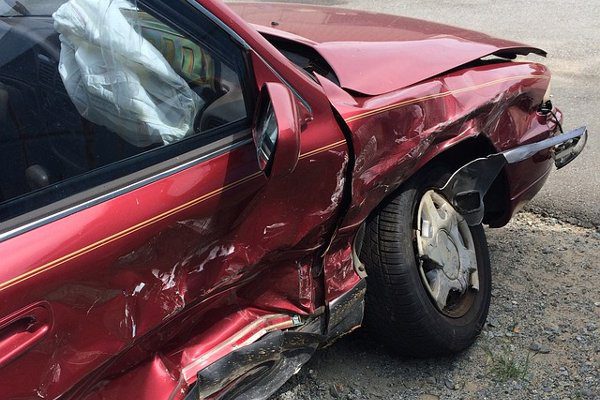
A car crash is stressful under any circumstances. When the other driver leaves instead of stopping, the situation can feel especially overwhelming. Shock, confusion, and frustration often follow quickly.
Many people involved in a hit-and-run accident want to understand what steps to take, whether compensation is still possible, and how Virginia law applies when the at-fault driver disappears.
At Merrick Brock, PLLC, we represent individuals injured in serious motor vehicle crashes throughout Virginia, including in hit-and-run cases.
Our Virginia car accident attorneys in Richmond and Lynchburg bring decades of trial experience, including years spent defending insurance companies.
We understand how insurers handle these claims and why early guidance matters when the other driver cannot be immediately identified.
What Is Considered a Hit and Run Accident in Virginia?
A hit-and-run accident occurs when a driver causes a crash and leaves without stopping to provide identifying information or render aid.
Virginia law requires drivers involved in accidents to stop, exchange information, and assist injured parties. Leaving the scene may result in criminal penalties, especially when injuries or significant property damage occur.
Hit and run incidents may involve:
- Collisions with other vehicles,
- Crashes involving pedestrians or cyclists, and
- Damage to parked vehicles or private property.
Drivers who flee the scene of a car accident can often leave injured people without clear answers about who caused the crash or how they will cover their medical expenses.
Why Do Hit and Run Accidents Create Unique Challenges?
Hit-and-run cases present challenges that do not arise in typical car accidents. Without an identified driver, insurance companies may delay claims or dispute responsibility. Evidence can disappear quickly, and witnesses may be difficult to locate after the initial incident.
These cases also place additional stress on injured people who are trying to recover while uncertainty surrounds accountability. Insurers often apply heightened scrutiny, particularly when uninsured motorist coverage is involved.
Virginia’s contributory negligence rule adds another layer of complexity. Insurance companies may argue that the injured person contributed to the crash, even when the other driver left the scene.
What Should You Do Immediately After a Hit and Run Accident?
The actions taken after a hit-and-run accident can affect both physical recovery and legal options. After ensuring safety, individuals should consider the following steps:
- Contacting law enforcement immediately;
- Seeking medical care, even if symptoms seem mild;
- Writing down any details remembered about the fleeing vehicle;
- Taking photographs of the scene, damage, and surroundings; and
- Identifying witnesses who may have observed the crash.
Prompt reporting creates an official record and helps law enforcement investigate. Medical documentation also plays a critical role in linking injuries to the collision.
Why Is Timely Reporting Important?
Reporting a hit-and-run accident quickly is critical. Uninsured motorist claims often require proof that the accident was reported within a specific time frame. Delays may give insurance companies grounds to question whether a hit-and-run occurred.
Early reporting also improves the chances that law enforcement can locate the fleeing driver through traffic cameras, surveillance footage, or witness statements.
Can You Recover Compensation If the Driver Is Never Found?
Many people assume compensation is impossible if the at-fault driver cannot be identified. In reality, recovery may still be available through insurance coverage.
In Virginia, uninsured motorist coverage often applies when the responsible driver cannot be located. Insurers treat hit-and-run car accidents as uninsured motorist claims, allowing injured people to pursue compensation through their own policy.
Potential compensation may include:
- Medical expenses,
- Lost income,
- Pain and suffering, and
- Future medical treatment.
Because settlement value is often limited by policy limits, identifying all applicable coverage is essential.
How Insurance Companies Handle Hit and Run Claims
Insurance companies approach hit-and-run claims cautiously. Adjusters may request recorded statements or additional documentation to verify that a hit and run occurred.
We frequently remind clients that minor impact does not mean minor injury. Concussions, soft tissue injuries, and spinal damage may not appear immediately. Early settlement offers often fail to reflect the full extent of harm.
Our experience defending insurers allows us to anticipate these tactics and help injured clients respond appropriately.
What Is the Average Settlement for a Hit and Run Car Accident?
People often ask about the average settlement for a hit and run car accident. There is no true average that applies across all cases. Settlement outcomes depend on several factors, including injury severity, available insurance coverage, and the strength of supporting evidence.
Relevant considerations commonly include:
- The extent of physical injuries,
- Required medical treatment,
- Availability of uninsured motorist coverage,
- Policy limits, and
- Contributory negligence arguments.
Because insurance coverage often caps recovery, careful evaluation of all policies is critical.
What Happens If the Hit and Run Driver Is Identified Later?
In some cases, the fleeing driver is identified days or weeks later. Surveillance footage, witness information, or vehicle damage may lead to identification after the initial investigation.
When the at-fault driver is located, additional insurance coverage may become available. Criminal charges may also follow, although criminal proceedings are separate from civil injury claims.
How Virginia’s Contributory Negligence Rule Applies
Virginia applies one of the strictest contributory negligence standards in the country. Under this rule, an injured person may be barred from recovery if found even slightly responsible for the crash.
Insurance companies sometimes raise contributory negligence defenses even when the other driver fled. However, this is typically a question for the jury rather than an automatic determination. Evidence and investigation often decide fault.
How an Attorney Can Help After a Hit and Run Car Accident
Hit and run claims often require careful investigation and strategic handling. Legal assistance may include:
- Reviewing police reports and evidence,
- Communicating with insurance carriers,
- Identifying uninsured motorist coverage,
- Addressing contributory negligence arguments, and
- Preparing the case for settlement or trial.
At Merrick Brock, clients work directly with the attorneys handling their case. We emphasize accessibility, preparation, and honest guidance grounded in decades of trial experience.
Talk with Merrick Brock About a Hit and Run Accident
You deserve clear answers and steady support. If you were hurt in a hit-and-run car accident in Virginia, contact Merrick Brock. You will speak directly with the attorneys who will handle your case from start to finish.
Our firm is committed to helping clients understand their options and move forward with confidence during a difficult time.